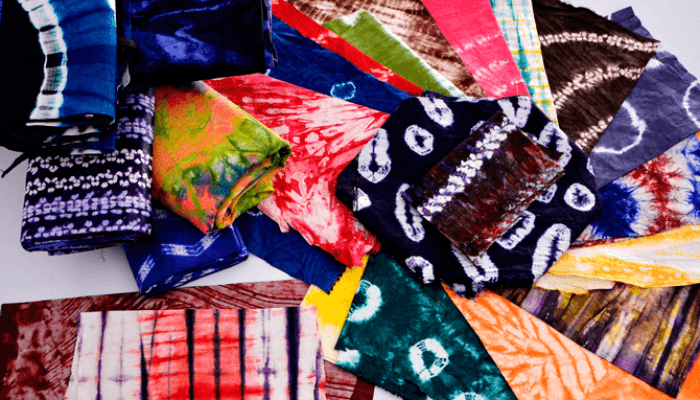
It is heartening to find so many cultures making efforts to preserve, promote and incorporate their traditional crafts into modern life. In Nigeria there has been a revival of Adire, the colorful fabric worn primarily by the Yoruba people. Its revival has lead, not only, to a cultural renaissance but to an economic boom.
Art of Adire
Adire, which means “tie and dye” in Yoruba, is a resist-dyed cloth produced and worn primarily by the Yoruba people of southwestern Nigeria. The process involves tying, folding, and stitching the fabric before dyeing it in natural indigo dye. The result is a unique, intricate pattern that tells a story of tradition and craftsmanship.Historically, Adire was a symbol of status and identity, often used in ceremonies and special occasions. The patterns on the fabric could signify various meanings, from wealth and power to personal and family histories. However, over the years, the art of Adire faced a decline due to the influx of cheaper, mass-produced textiles and changing fashion preferences.
Revival
In recent years, there has been a concerted effort to revive Adire, spearheaded by young designers and fashion entrepreneurs. These innovators are reimagining the traditional fabric for contemporary fashion, blending old techniques with modern aesthetics. The resurgence is also supported by cultural initiatives and workshops aimed at preserving the craft and training a new generation of artisans.One notable designer leading this movement is Maki Oh, whose use of Adire has gained international acclaim. Her designs have been worn by global icons such as Beyoncé and Michelle Obama, bringing Adire to a global audience. Similarly, brands like Duro Olowu and Lisa Folawiyo incorporate Adire into their collections, showcasing its versatility and appeal.
 The Village Market
Leave a comment